The word "audit" often causes anxiety in organisations, but it should not. An audit is not a punishment. It is a process that helps businesses stay compliant, improve their systems, and gain credibility. When approached correctly, it is an opportunity for growth.
What Is an Audit?
An audit is an independent examination of an organisation’s financial records, operations, or systems. Its goal is to verify accuracy, ensure compliance with laws, and improve efficiency. In Nigeria, audits are becoming more common across sectors due to growing regulatory oversight and stakeholder expectations. Whether you run an SME, an NGO, or a corporation, an audit might be required by law, requested by investors or donors, or scheduled internally.
Types of Audits
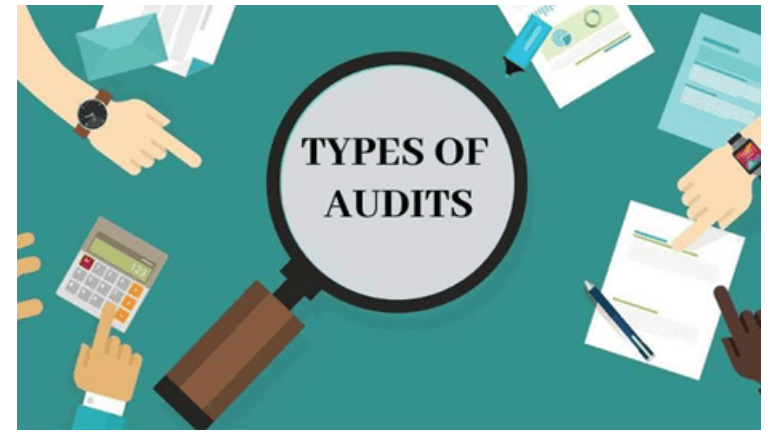
Understanding the different types of audits helps you prepare more effectively:
- External audits: Conducted by independent firms to verify that financial statements follow legal and accounting standards.
- Internal audits: Done by internal staff to identify risk, improve processes, and ensure control.
- Tax audits: Conducted by government bodies to confirm correct tax reporting and payment.
- Forensic audits: Investigate fraud or irregularities.
- Statutory audits: Mandated by law, especially in sectors like banking.
- IT audits: Review data systems to ensure accuracy and security.
- Compliance audits: Check adherence to internal policies or legal requirements.
- Operational audits: Evaluate whether daily processes are efficient and effective.
- Value-for-money audits: Assess how well resources are used.
- Special audits: Triggered by unusual events like fraud reports.
- Agreed-upon procedures (AUP): Focused checks on specific areas based on prior agreement.
You can edit text on your website by double clicking on a text box on your website. Alternatively, when you select a text box a settings menu will appear. your website by double clicking on a text box on your website. Alternatively, when you select a text box
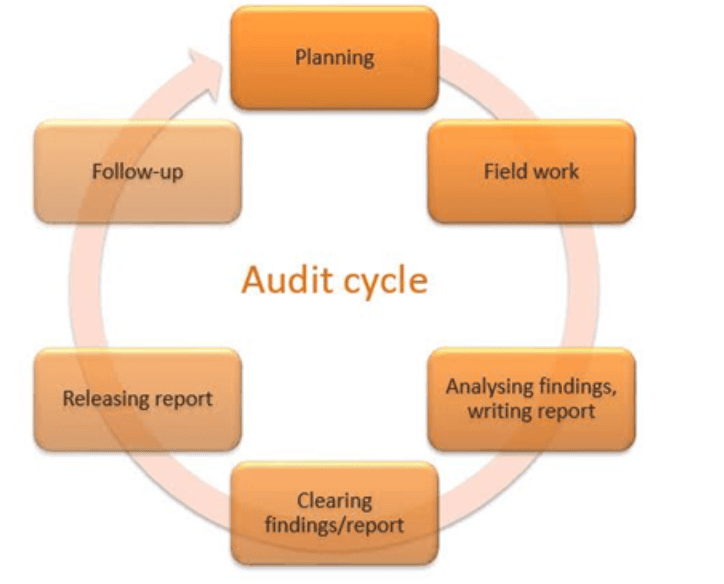
Phases of an Audit
Most audits follow four stages:
- Planning and preparation: The auditor defines the scope, requests documents, and sets timelines. You may need to provide past financial statements, tax returns, payroll records, and internal policies.
- Fieldwork: This is the investigation phase. The auditor tests transactions, checks documentation, and interviews staff.
- Reporting: Findings are compiled into a report that includes observations, risks, and recommendations.
- Follow-up: The auditor may later check that corrective actions were taken and that improvements have been implemented.
How to Prepare for an Audit
- Organise records: Store receipts, invoices, payroll data, and contracts securely. Digital records make audits smoother.
- Know the regulations: Stay up to date with Nigerian laws relevant to your business.
- Run internal checks: Don’t wait for an external audit. Periodic internal reviews help spot problems early.
- Train your team: Everyone should understand the importance of documentation and compliance.
- Be transparent: Auditors can usually tell when something is off. Honesty helps build trust and avoids bigger issues later.
Why Audits Matter
A clean audit shows that your business is serious, complaint, and well managed. This builds confidence with investors, donors, regulators, and partners. In Nigeria’s evolving business landscape, that kind of credibility can open doors.
Conclusion
Audits are not traps. They are tools for better governance, smarter decision-making, and long-term growth. With proper preparation and the right mindset, an audit becomes less about fear and more about opportunity.